
The third part of our visit to Lyndon B Johnson National Historic Park was the driving tour of the LBJ ranch. It is where President Johnson was born, lived, worked, died and was buried. It is 14 miles from the Visitor Center and Johnson Settlement from Part 1 of this series and next to the Lyndon B Johnson State Park from Part 2
The first stop is the Junction School, a one room school house built in 1910. It was President Johnson's first school that he went to when he was 4 years old. You can walk inside the rear entrance to see what it looked like when he was a kid.
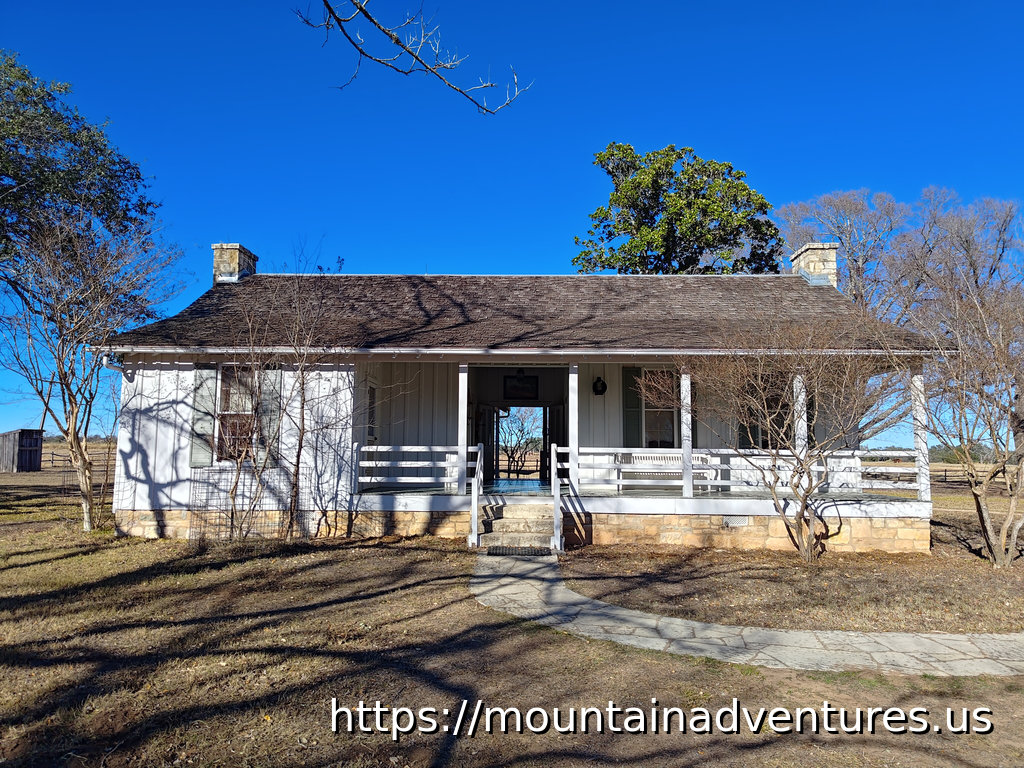
President Johnson was born in a house here. He rebuilt it in 1964 for use as a guest house.
Behind the house you can walk to a fence and see some cattle grazing in a field.
The president's grandparents, Sam and Eliza Johnson, moved from the Johnson Settlement to this house.
LBJ raised Hereford cattle on this ranch. You can get close to some at the show barn.
Unfortunately, the Texas White House complex was closed for repairs in 2018. President Johnson spent about 25% of his presidency here. It may be the most interesting part of the park and includes a plane that was used as Air Force One. We will have to go back sometime to see this section of the park, but it is still closed in mid 2026.
To do the driving tour of the ranch, you will need to stop at the LBJ State Park and Historic Site Visitor Center in Stonewall, Texas to get a free driving permit. It's not far from the entrance to the LBJ Ranch.
https://mountainadventures.us/post/lyndon-b-johnson-national-historic-park-lbj-ranch
#Texas #NPS #History #President #NationalHistoricPark #LBJ #Ranch
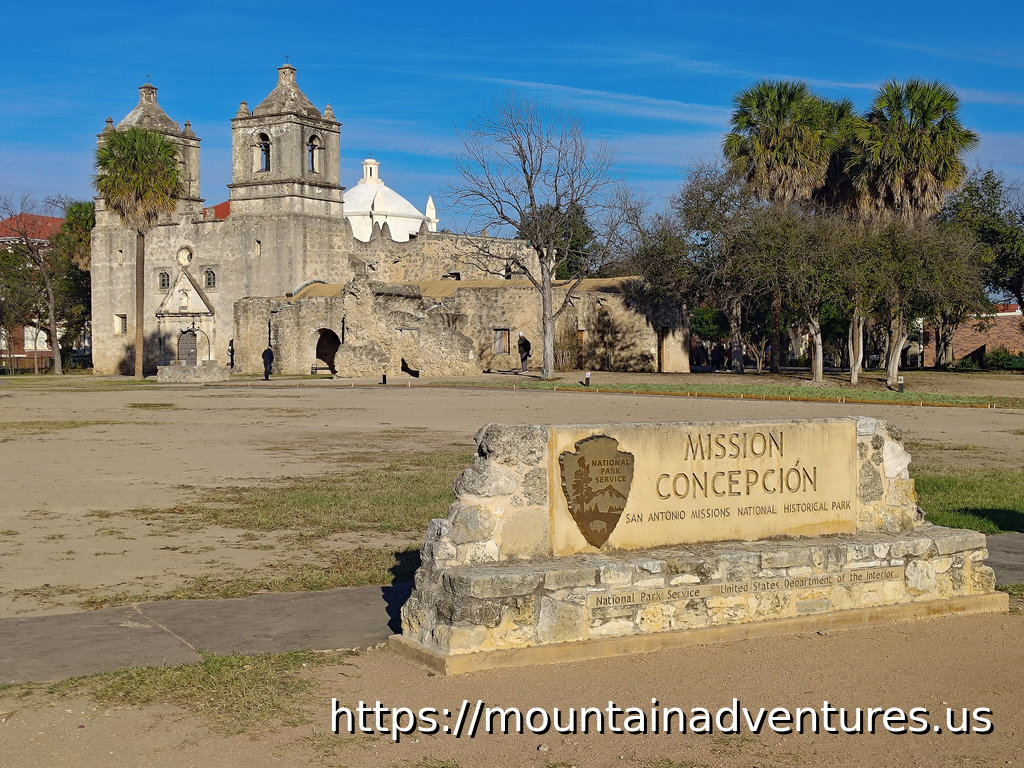
Mission Concepcion is the furthest north mission in San Antonio Missions National Historic Park. Unlike the others that have the courtyards and walls, this one currently has only the church building. Mission Concepcion was originally founded in 1716 as Mission Nuestra Seora de la Pursima Concepcin de Acua in eastern Texas. It was to serve as a buffer against the French in Louisiana. In 1731, like other missions it moved to the San Antonio River area. The stone church took 15 years to build and was dedicated in 1755. This church is the only one in the park that has two bell towers.
This is the fourth part of our series on San Antonio Missions NHP which also includes: Mission San Juan, Mission Espada and Mission San Jose.
Before going into the main church, you pass through some side rooms showing frescos which covered most of front of the church and the convento rooms.
https://mountainadventures.us/post/san-antonio-missions-nhp-mission-concepcion
#texas #sanantonio #nps #history ...
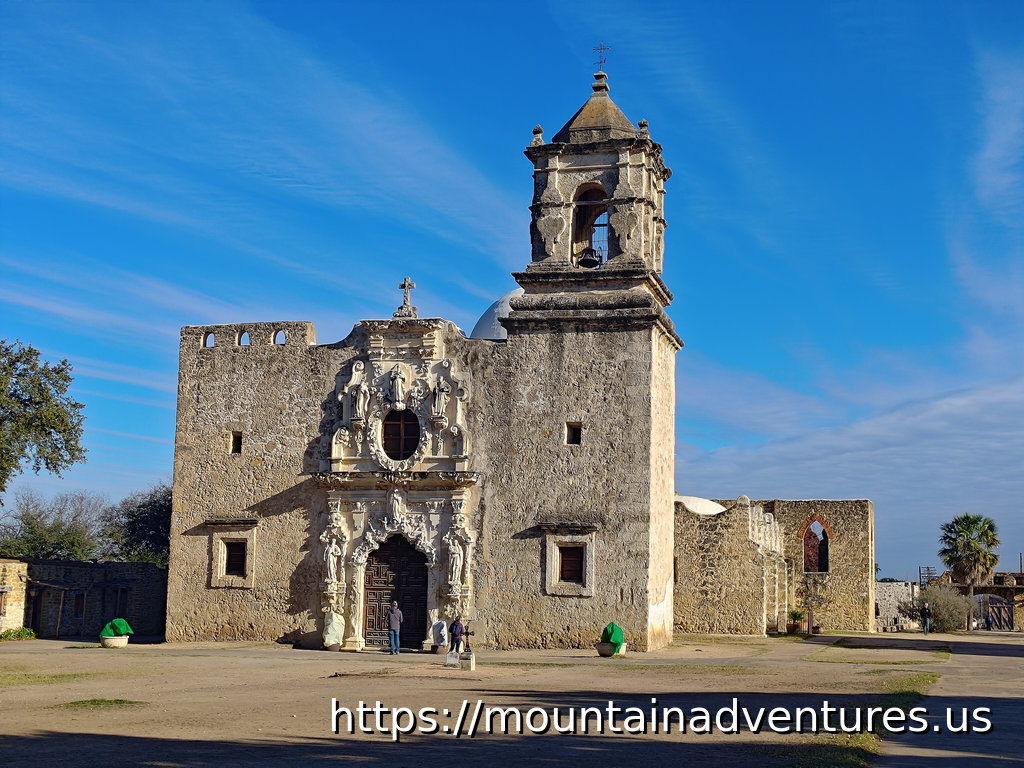
Mission San Jose y San Miguel de Aguayo, founded in 1720, is the largest of the four Spanish missions making up the San Antonio Missions National Historic Park. It has had the most reconstruction and is also the location of the main visitor center. The church is on the far side of the courtyard from the visitor center. It is the largest church of the four missions. This was also known as "Queen of the Missions" and is the best one to see how the missions were more than just the churches; they were also communities where Native Americans lived.
The church is made of limestone and has Spanish colonial Baroque architecture and statuary.
It has an arched ceiling, a dome and a choir loft.
https://mountainadventures.us/post/san-antonio-missions-nhp-mission-san-jose
#Texas #SanAntonio #NPS #History #NationalHistoricPark
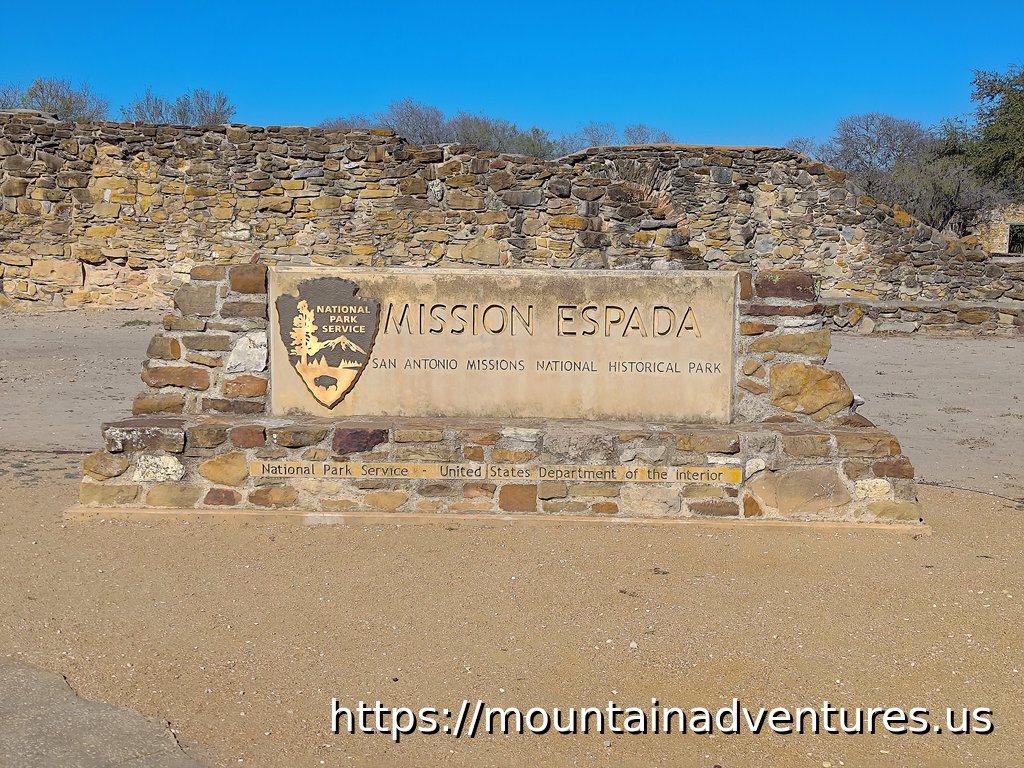
The furthest south of the four Spanish missions in San Antonio Missions Natinal Historic Park is Mission Espada. It is not right on the San Antonio River, but is not far from it. This mission was founded in 1690 near present-day Weches, Texas as San Francisco de los Tejas. Like Mission San Juan it was moved to the San Antonio River area. The current mission was built in 1731 and renamed Mission San Francisco de la Espada. This one felt the most like an active parish with the parking right next to the church and the parish offices on the other side.
The church itself is small. I like how the bells were visible above the main entrance.
The inside takes you back to the 1700s when this area was controlled by Spain.
Right next to the church is the convento with the church offices in a section of the wall that is intact. I am not sure if this section was maintained or rebuilt.
The south east corner of the mission has the NPS visitor information center and a small museum. An overview of this National...